
Last updated September 22, 2026
Free on-site gate assessment - hinges, posts, and your LiftMaster or Nice gate operator checked before anything is quoted
The assessment is free and the quote is the invoice.
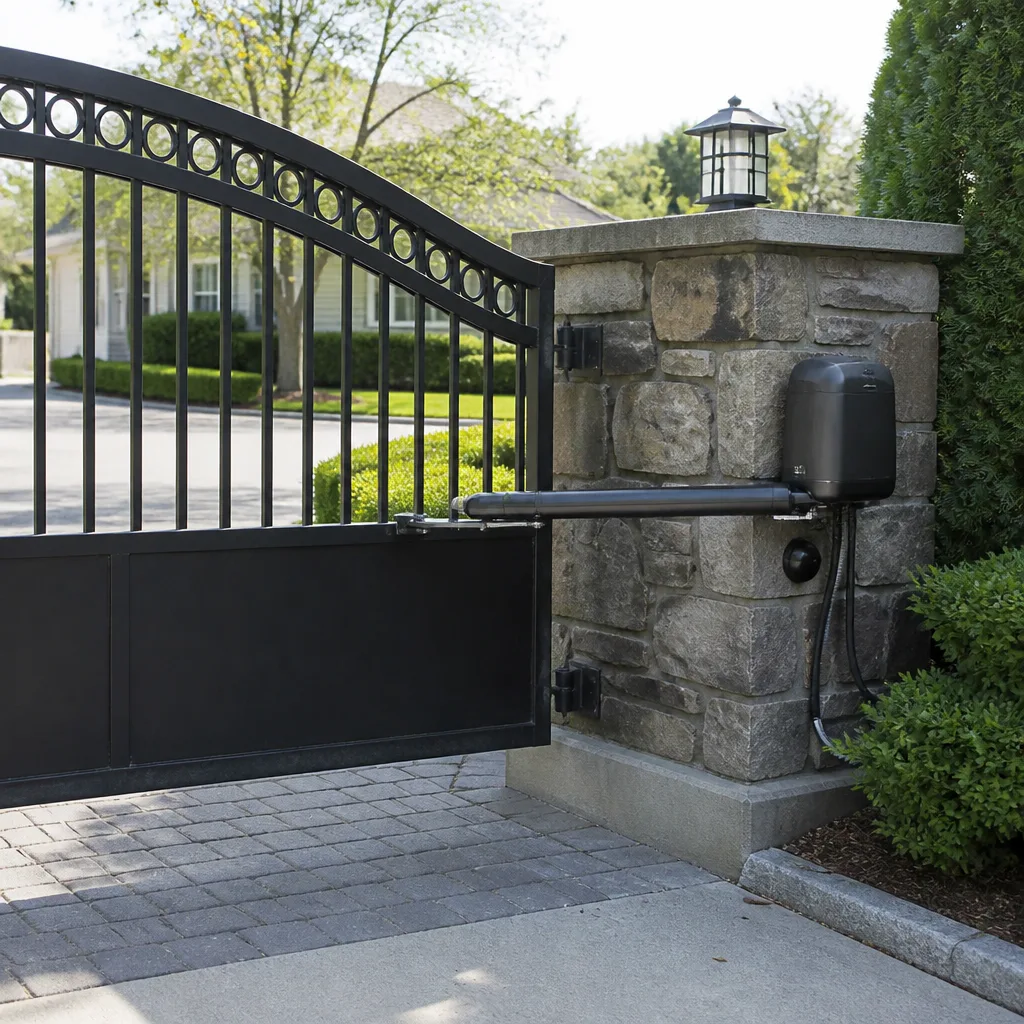
 Before
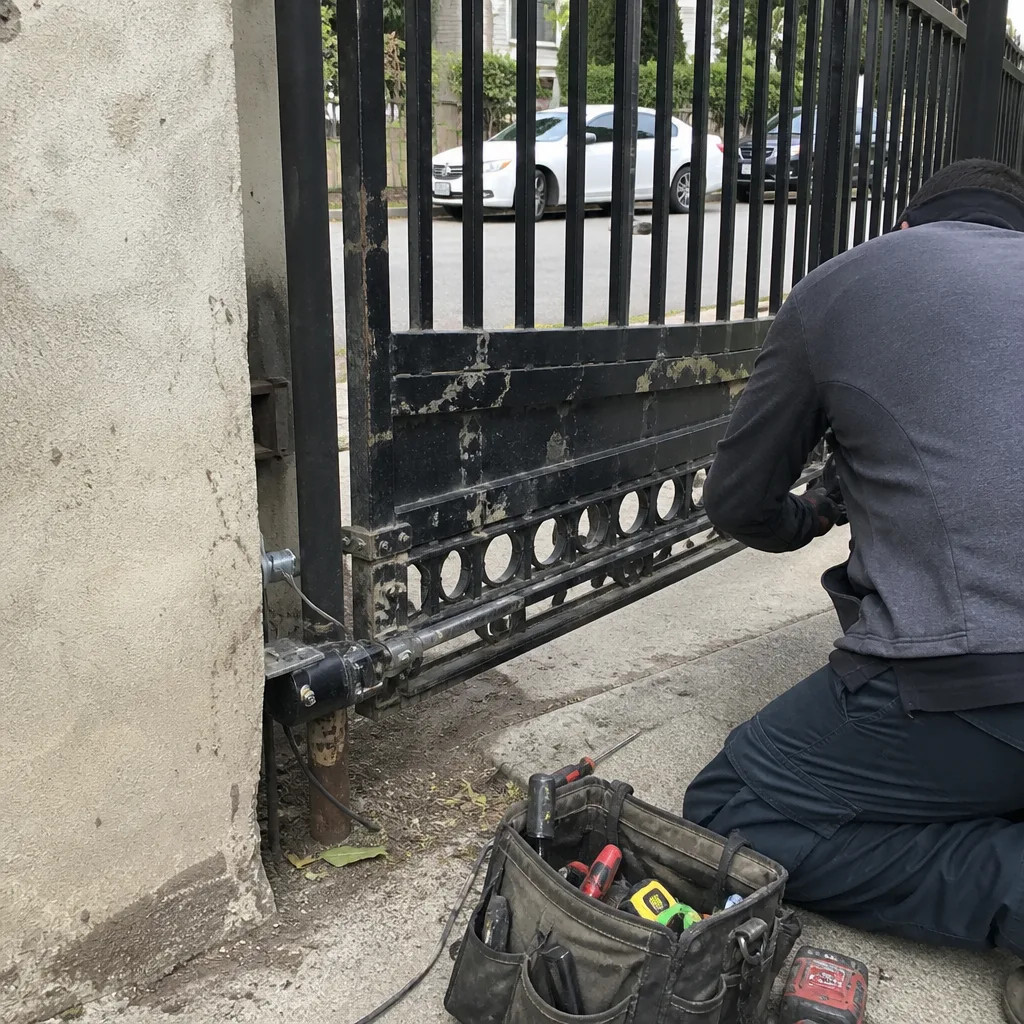
 After
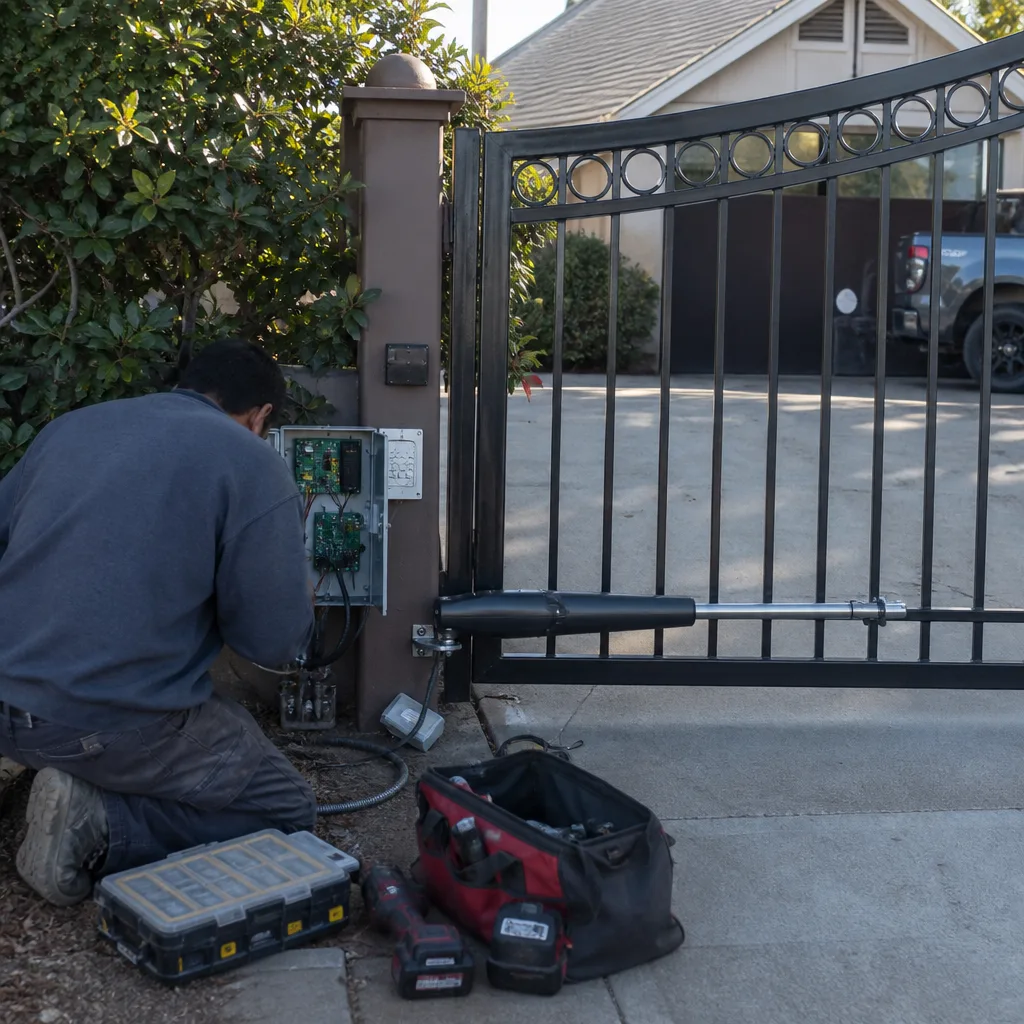
After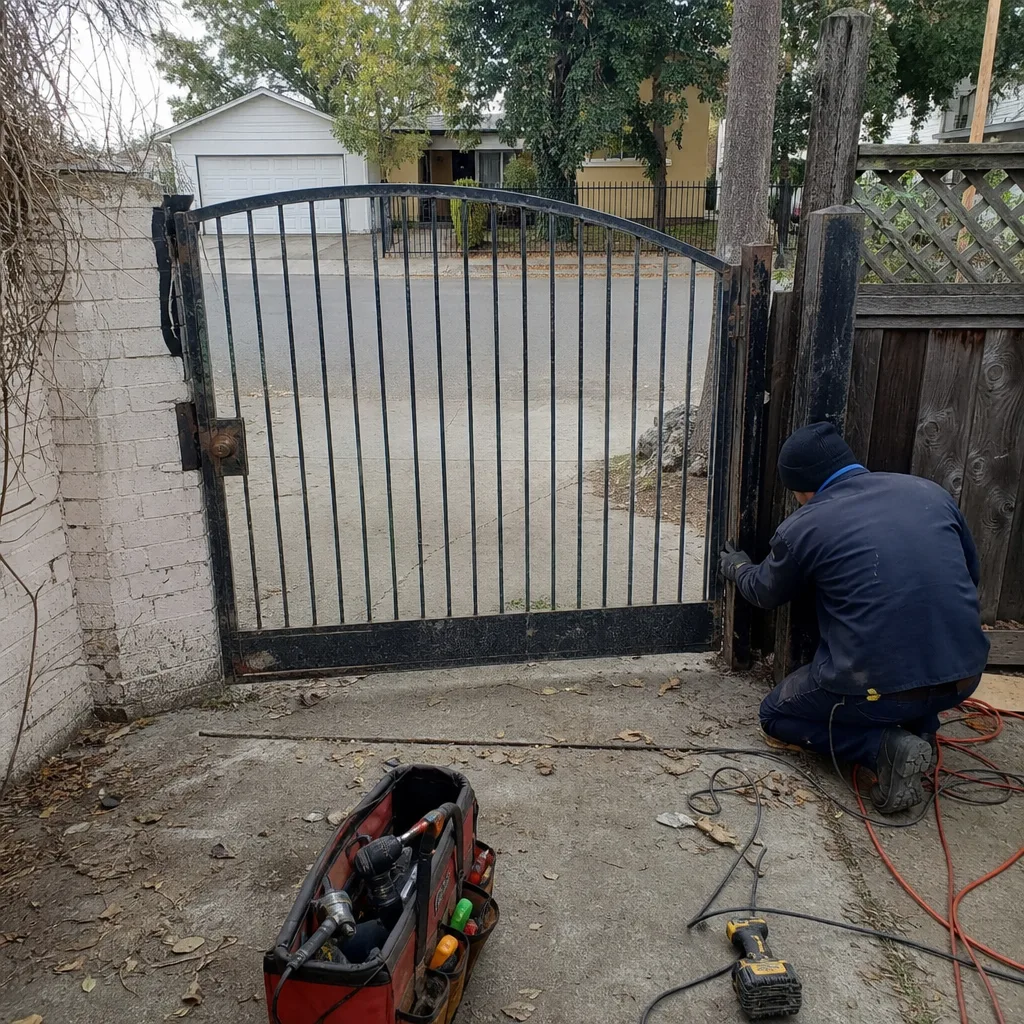 Before
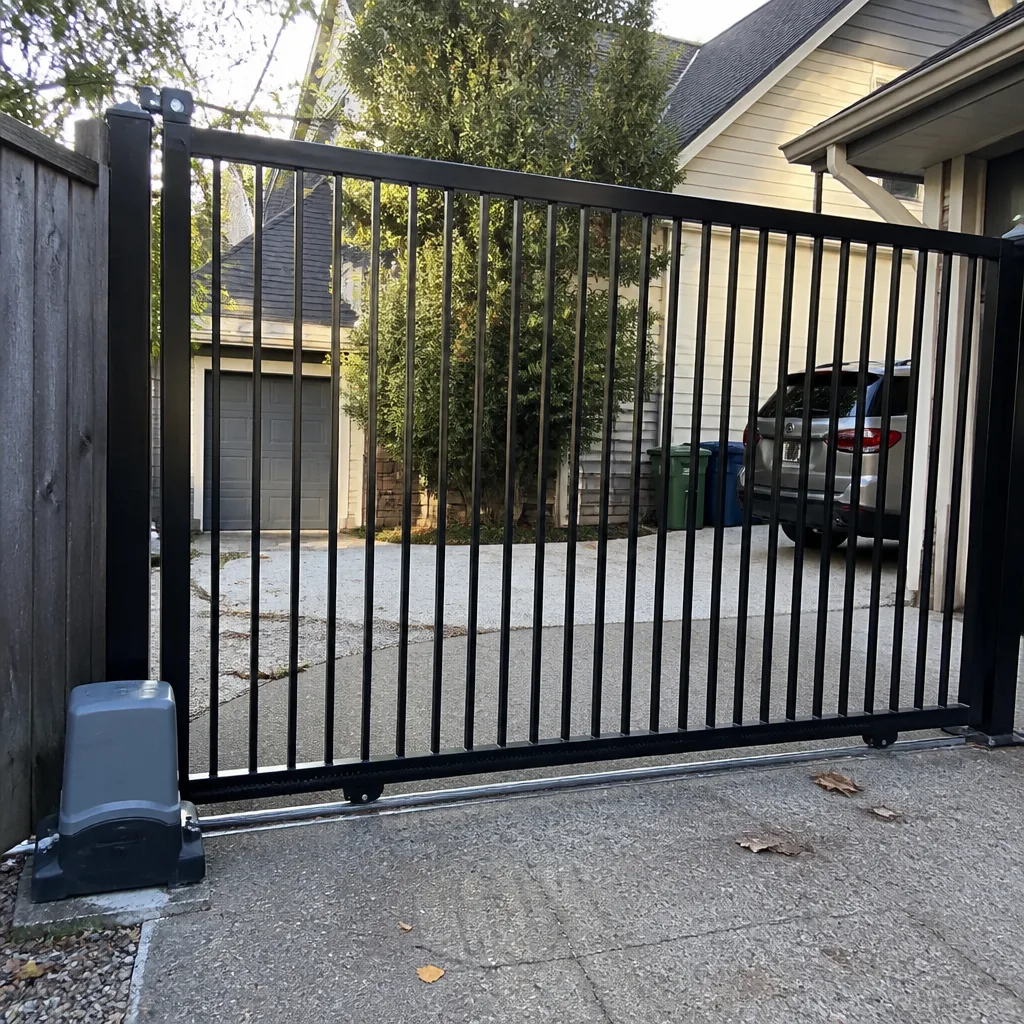 After
After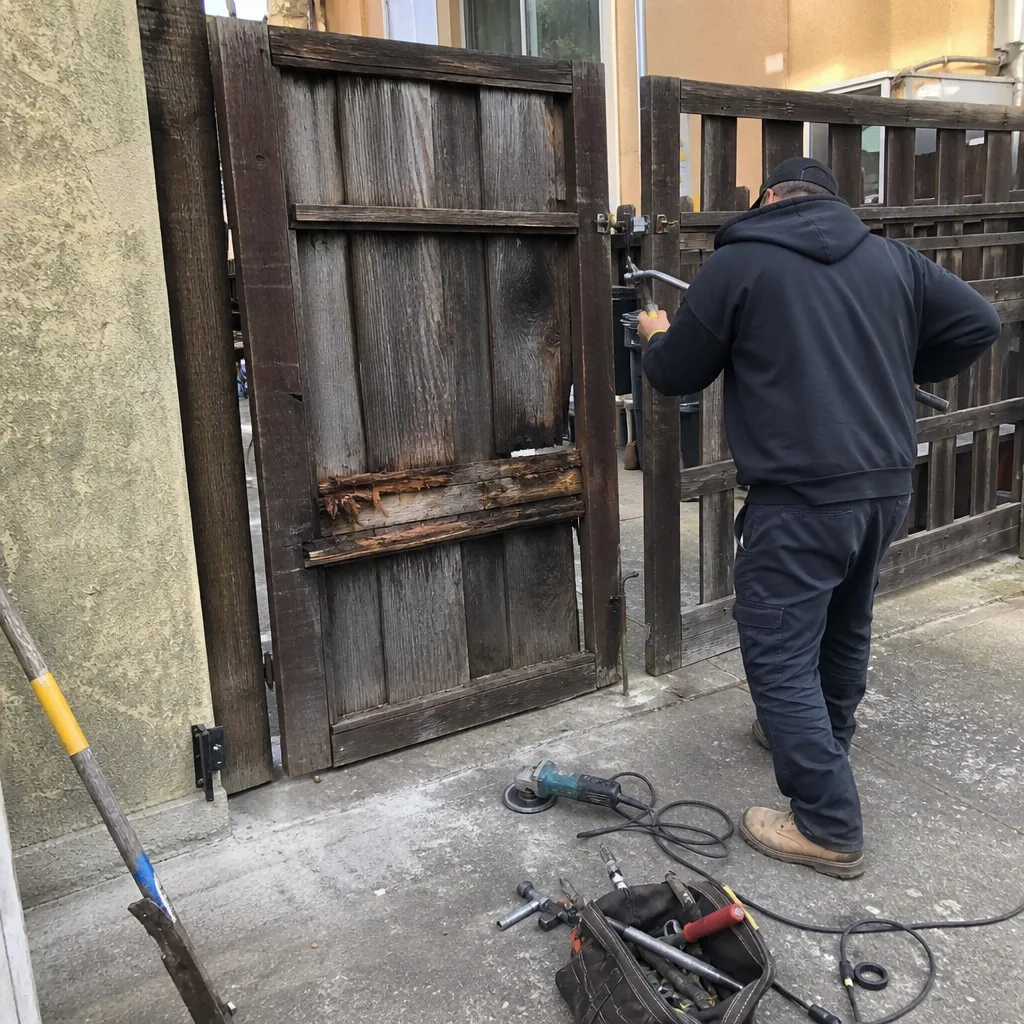 Before
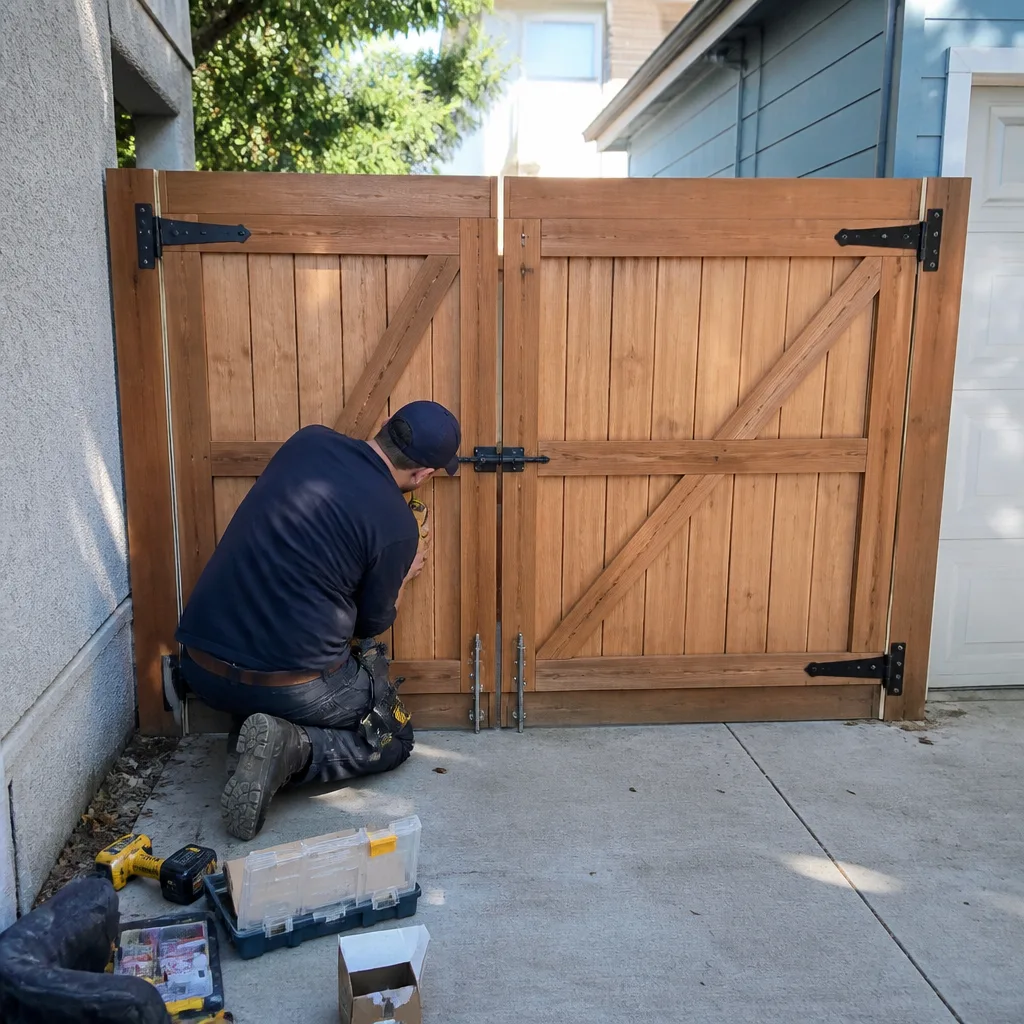 After
AfterThe Complete Guide to Gate Repair in Oakland
Most Oakland gate repair calls end with the same gate failing again within 90 days. Not because the technician was incompetent, but because they fixed what they saw without documenting what they found underneath it. A gate that won’t close gets a new operator. Six weeks later, the new operator burns out because the real problem was a post that shifted in Oakland’s clay-heavy soil, throwing the gate geometry off by three degrees. This guide maps the diagnostic chain so Oakland homeowners stop paying for symptom fixes and know when to seek Gate Repair services that address root causes. You’ll learn how local soil, marine-layer corrosion, and heat-expansion patterns create failure signatures that most repair visits miss, and what documentation you should physically hold after any service call to prevent duplicate charges.
Quick Answer
Gate repair in Oakland typically costs between $180 and $1,200 depending on whether the issue is a simple adjustment or a full component replacement. Most residential repairs fall in the $280-$650 range for common problems like operator resets, hinge realignment, or safety sensor replacement. A proper repair includes written documentation of the root cause, not just the symptom that was fixed, as detailed in our Gate Repair Cost Breakdown: The Oakland Homeowner’s Reference for 2026.
Table of Contents
- The Diagnostic Chain: Why Gates Fail in Oakland
- How Oakland’s Clay Soil Creates Phantom Operator Failures
- Marine-Layer Corrosion vs. Heat Expansion: Two Oakland Climate Zones
- Repair vs. Restore: The Five Interdependent Components
- What a Written Scope Actually Contains (and Why Verbal Estimates Fail)
- The Documentation You Should Hold After Every Visit
- What Gate Repair Costs in Oakland
- Common Mistakes to Avoid
- When to Call a Professional
- Frequently Asked Questions
 Before
 After
AfterThe Diagnostic Chain: Why Gates Fail in Oakland
A gate system is a mechanical chain. The operator pulls. The arm pushes. The hinge rotates. The post anchors. The safety loop confirms the path is clear. When one link weakens, the next link compensates until it fails too. Most repair calls in Oakland address the last link that broke, not the first link that weakened.
We’ve documented this pattern across 22,000+ gates since 2014. The typical sequence looks like this:
- Post shifts in expansive clay soil after winter rains or summer drying cycles.
- Gate geometry changes by 2-4 degrees, increasing resistance against the operator arm.
- Operator strains, drawing higher amperage and heating the motor windings.
- Limit switch drifts as the operator hunts for consistent open and close positions.
- Safety sensors misalign because the gate frame no longer travels through its original path.
- Homeowner calls because the gate “won’t close” or “reverses for no reason.”
The technician who replaces the operator without checking post plumb fixes step 4 while step 1 continues worsening. The new operator fails in 60-90 days. The homeowner pays twice.
In Oakland, this pattern repeats most often in hillside neighborhoods where cut-and-fill grading created artificial fill zones above native clay. Montclair, Piedmont Pines, and portions of the Oakland Hills see post movement rates roughly double those of flatland neighborhoods built on alluvial soils. We’ve measured post lean of 1/4 inch per year in some Montclair installations where drainage concentrates against the post footing.
The diagnostic chain requires checking in reverse order of symptom appearance. The gate that “reverses for no reason” usually has a safety sensor issue. But the safety sensor issue usually traces to gate geometry. And the gate geometry usually traces to post movement or hinge wear. A technician who stops at the first explanation they find leaves the root cause in place.
Under The Haven Standard, our diagnostic protocol documents each link in this chain: post plumb measurement, hinge pin wear measurement, operator amperage draw under load, limit switch position relative to gate travel, and safety sensor alignment relative to gate path. The customer receives this record in writing. If a future failure occurs, we know where to resume rather than restart.
How Oakland’s Clay Soil Creates Phantom Operator Failures
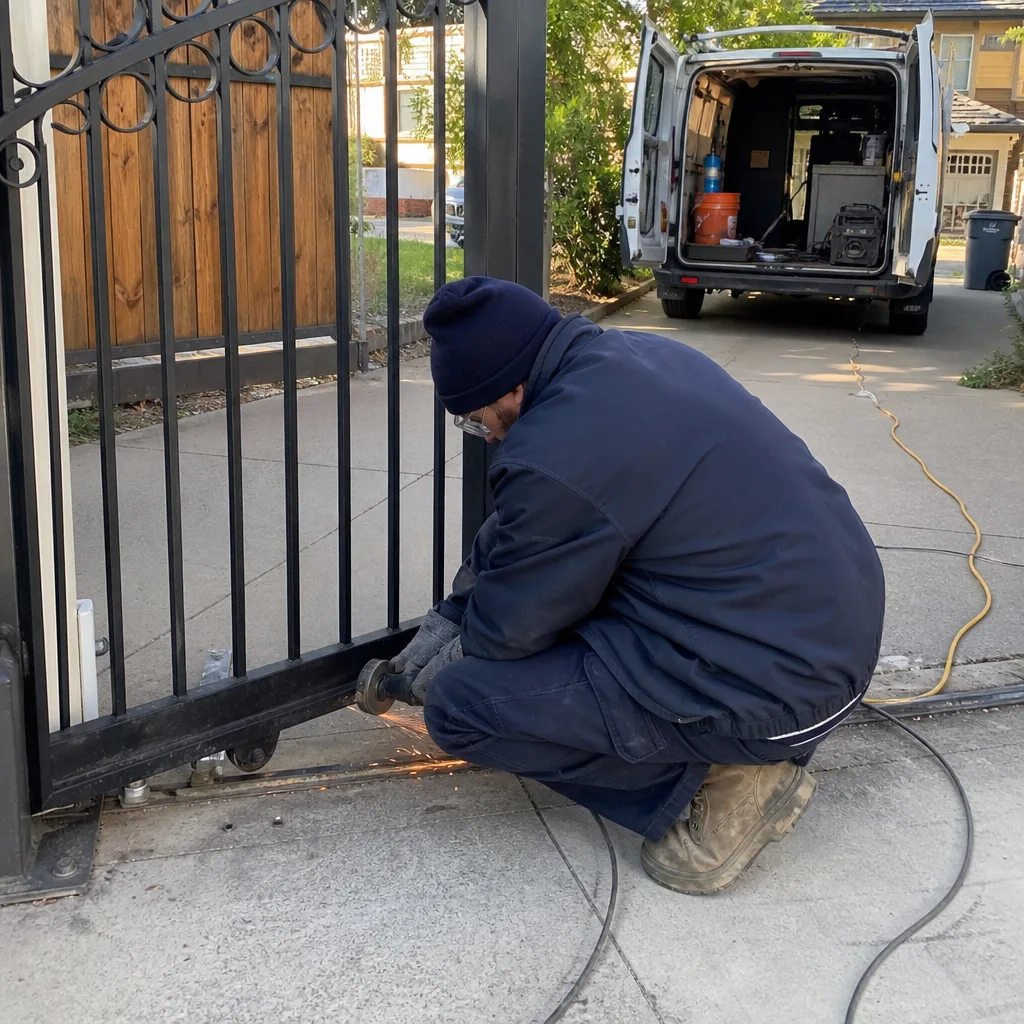
Oakland sits on a geological patchwork, but much of the developed flatland and hillside neighborhoods overlay the Oakland Formation, a sedimentary deposit with high clay content that expands when wet and contracts when dry. This isn’t abstract geology. It’s a measurable force that bends gate posts and destroys operators.
Clay soil can exert lateral pressure of 2,000 to 6,000 pounds per square foot against a retaining wall or embedded post. A typical 4×4 steel gate post set 36 inches deep presents roughly 12 square feet of surface area to this pressure. The math means your gate post is resisting tons of seasonal movement. When that post tilts even slightly, the gate frame twists. The operator arm now pushes at an angle it wasn’t designed for.
We’ve measured this directly. In a 2023 service call near the Dimond District, a swing gate operator was drawing 8.2 amps under open-cycle load. The manufacturer spec for that Viking operator was 5.5 amps maximum. The operator had been replaced six months prior by another company. We checked post plumb and found 2.3 degrees off vertical. We reset the post in a concrete collar with drainage relief, realigned the gate, and retested: 4.9 amps. The operator didn’t need replacement. The post needed stabilization.
The homeowner had paid $1,100 for an unnecessary operator replacement. The real fix cost $340.
Signs that soil movement is masquerading as operator failure include:
- Operator failure that recurs within 90 days of “repair”
- Gate that binds or scrapes at specific points in its travel, especially after rain
- Visible gap changes between gate and latch post across seasons
- Hinge bolts that loosen repeatedly despite tightening
- Operator arm that appears to “twist” or load unevenly during operation
The fix isn’t always a new post. Sometimes it’s a deeper footing, a wider concrete collar, or a post stabilizer bracket that allows minor adjustment without re-pouring. In Oakland’s clay zones, we specify 42-inch minimum post depth with 12-inch diameter concrete footings, versus the 30-inch depth common in sandy-soil regions. The extra material costs roughly $80 in concrete. It prevents $600+ in repeated operator replacements.
If your gate has failed twice for the same symptom, the problem is almost certainly upstream of the component that was replaced. A technician with a documentation habit will show you the post measurement, the amperage draw, and the geometry correction in writing. One without that habit will sell you another operator.
Marine-Layer Corrosion vs. Heat Expansion: Two Oakland Climate Zones
Oakland’s geography creates two distinct corrosion and thermal environments within the same city. The western flatlands and coastal-adjacent neighborhoods experience marine-layer intrusion 120-180 days per year, with sustained humidity above 85% and salt aerosol carried on westerly winds. The eastern hills and inland valleys see 20-30 more days above 85°F annually, with wider daily temperature swings that stress metal components through expansion-contraction cycles.
These zones produce different failure signatures. Misreading the zone leads to wrong repairs.
Marine-layer corrosion patterns (West Oakland, Jack London Square, Emeryville-adjacent, portions of Rockridge near the flatlands):
Galvanized steel components show white rust (zinc oxide) within 3-5 years instead of the 10-15 year life expected inland. Stainless steel hardware below 316 grade develops pitting at bolt threads. Control board capacitors fail from humidity cycling rather than age. We’ve replaced Linear and Ghost Controls boards in West Oakland that tested electrically fine in the shop but failed under load in humid morning conditions.
The diagnostic tell: intermittent failure that correlates with morning humidity, not use cycles. A gate that works at 2 PM but reverses at 8 AM has a moisture-sensitive component, not a mechanical wear issue.
Heat-expansion patterns (Dimond, Fruitvale, Laurel, upper Rockridge, Oakland Hills):
These neighborhoods see afternoon temperatures 15-25°F higher than the flatlands, with rapid evening cooling. Aluminum gate frames expand roughly 1/8 inch per 10 feet per 100°F temperature swing. Steel expands slightly less. When a gate frame expands against a fixed latch or stop, the operator strains. When it contracts, clearances open and latches fail to catch.
We’ve documented this specifically in Fruitvale, where a BFT subterranean operator was set with 1/4 inch total clearance in February. By August, thermal expansion had reduced that to zero. The operator’s thermal overload tripped repeatedly. The previous technician had replaced the overload three times. We added a thermal-compensating stop block and reset the limit switches with summer-winter adjustment notation. Two years, zero callbacks.
The diagnostic tell: seasonal failure pattern that inverts with temperature, or failure at consistent times of day (typically 3-5 PM when thermal peak occurs).
A technician who doesn’t ask where in Oakland your property sits, and doesn’t connect that location to corrosion or thermal stress patterns, is guessing. Under Clause 4 of The Haven Standard, we note the climate zone in every job record so future technicians understand the environmental load on the system.
Repair vs. Restore: The Five Interdependent Components
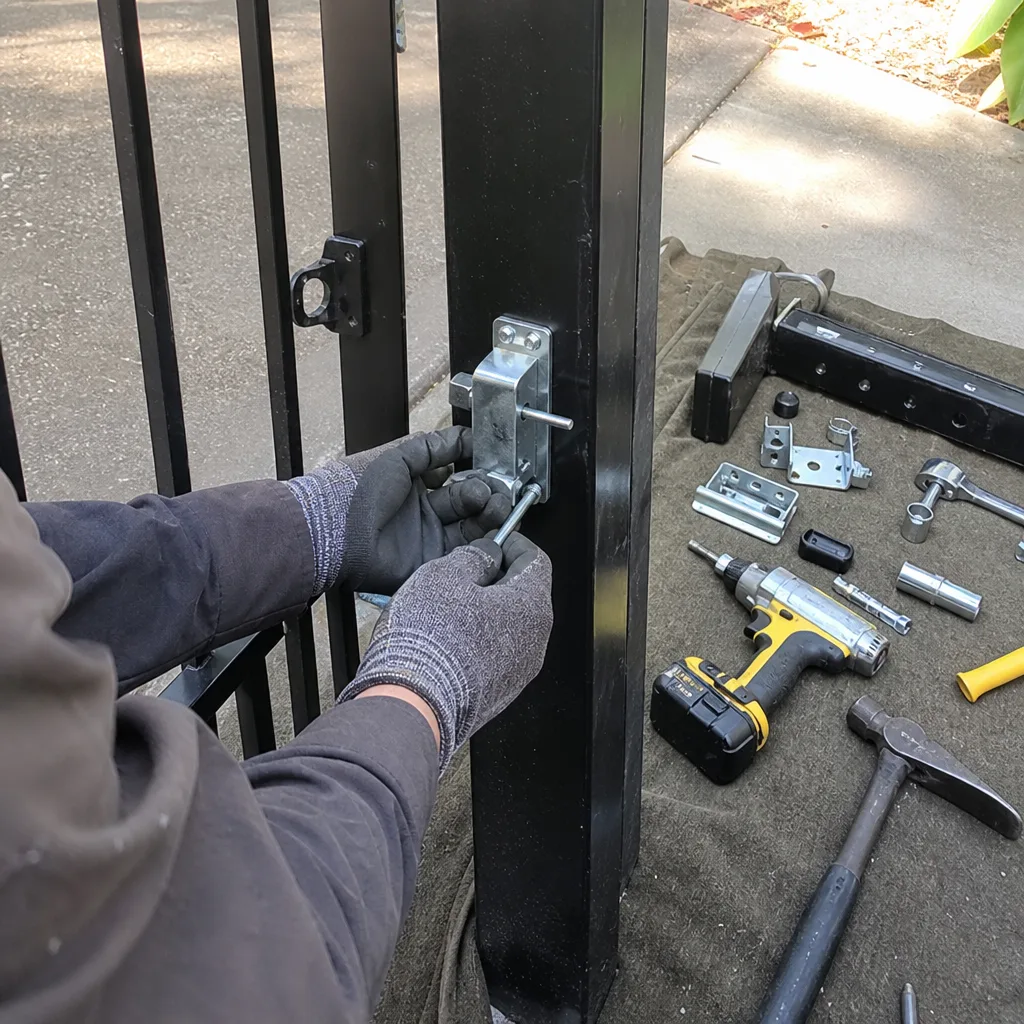
There’s a difference between fixing a gate and restoring a gate system. Fixing addresses the symptom. Restoration addresses the system’s capacity to operate without premature wear. In Oakland’s soil and climate conditions, restoration is usually the better investment.
The five components are interdependent. Adjusting one without checking the others is partial repair.
1. Post and Foundation
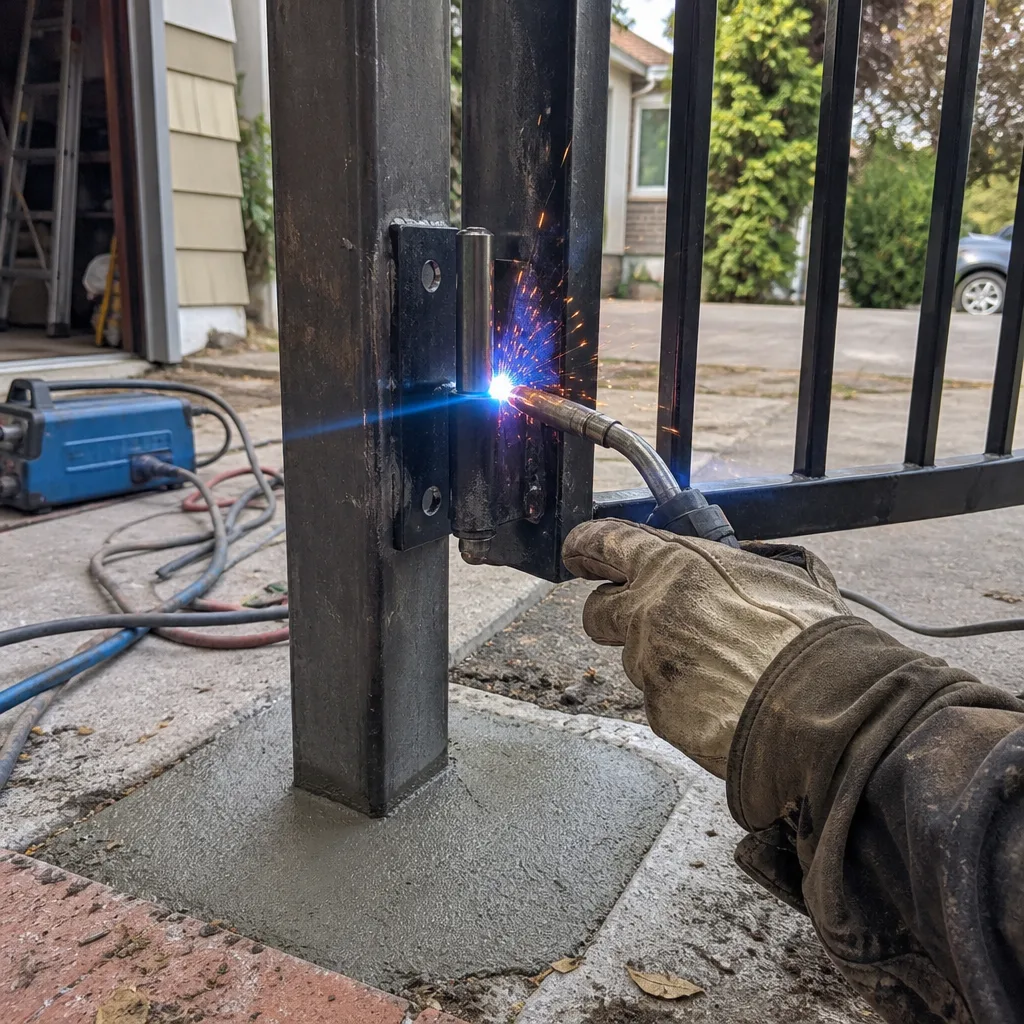
The post anchors everything. In Oakland, post inspection means plumb measurement in two planes, footing condition (cracking, undermining, water pooling), and soil type assessment. A post set in fill without compaction will move. We’ve found original posts in hillside Oakland homes that were set in loose fill with no concrete at all, just tamped dirt. They lasted 15 years through luck. They won’t last another season once an operator is attached.
Restoration standard: post plumb within 1/2 degree, footing minimum 12 inches diameter at base, positive drainage away from post.
2. Hinge and Pivot Hardware
Hinge wear is measured, not guessed. A hinge pin with 1/16 inch radial play creates measurable gate wobble. At 1/8 inch, the operator arm sees side load that accelerates wear on the internal gearbox. We measure hinge play with a dial indicator on every service call, document the reading, and specify replacement at 3/32 inch for residential gates under regular use.
In marine-layer zones, we disassemble and inspect hinge pins annually regardless of play measurement. Corrosion can seize a pin that measures tight, creating operator overload on the next cold morning when contraction increases friction.
3. Gate Frame and Geometry
The frame must be square and level within 1/4 inch across the diagonal. A twisted frame loads hinges unevenly and causes the operator to hunt for consistent limit positions. In Oakland, frame twist often follows post movement. We check frame square before any operator adjustment.
Restoration standard: diagonal measurement within 1/4 inch, no visible weld cracks at stress points, gate weight within operator specification.
4. Operator and Control System
The operator is the most replaced and least understood component. Most operators fail from overload, not age. Overload comes from upstream components: post movement, hinge wear, frame twist, or improper limit setting. We test operator amperage draw at no-load, mid-travel, and end-of-travel positions. We compare to manufacturer specification. We document the readings.
For the nine brands we service - including BFT, Linear, and Viking common in Oakland installations - we maintain manufacturer specification databases. A Viking G-5 drawing 7 amps at mid-travel is overloaded. The cause is upstream. Replacing the operator without finding that cause guarantees another failure.
5. Safety and Accessory Systems
Photo-eyes (infrared beam sensors), safety loops (inductive vehicle detectors), and edge sensors (pressure-sensitive strips) are the components most likely to cause “nuisance” failures: gates that reverse, stop, or refuse to close. These are also the components most often misdiagnosed.
A photo-eye misaligned by gate geometry will stay misaligned after the eye is adjusted. The real fix is geometry. A safety loop with corroded lead-in cable will fail intermittently in marine-layer conditions. The real fix is cable replacement, not loop sensitivity adjustment.
Restoration standard: all safety devices tested per UL 325 protocol, alignment documented with measurement, loop resistance logged for future comparison.
Full restoration of all five components on a typical Oakland residential swing gate runs $1,800-$3,400. Partial repair of one component runs $280-$650. The difference is whether you’re paying once for a system that lasts, or twice for symptom relief that fails.
What a Written Scope Actually Contains (and Why Verbal Estimates Fail)
The Haven Standard Clause 1 requires a written price before any work starts. This isn’t preference. It’s documentation that prevents the most common dispute in gate repair: the invoice that exceeds the estimate, or the repair that doesn’t address the actual problem.
A proper written scope contains specific elements that verbal estimates omit, covered in more guides & resources from our team:
- Condition found: Not “gate won’t close” but “limit switch (Microswitch SW-1 on FAAC 740) set 12 degrees past mechanical close position; operator drawing 6.8 amps at stall versus 4.2 amp spec; post plumb 1.8 degrees off vertical at north face.”
- Root cause identified: Not “needs new operator” but “operator overload caused by post shift in expansive soil; post stabilization required before operator reset or replacement will survive.”
- Work specified: Each task with material and labor separated. “Reset limit switch to 2 degrees before mechanical stop. Stabilize post with 14-inch concrete collar and drainage relief. Retest amperage. Document final readings.”
- Price: Single total, fixed, with notation that no additional charges apply without written change order.
- Exclusions noted: What is not included, so expectations are clear. “Does not include gate painting or vegetation removal. Does not include replacement if post stabilization fails to correct amperage; if operator replacement is required after stabilization, separate written scope will be provided.”
- Documentation commitment: Under Clause 4, “Photo record of all adjustments and readings provided to customer before technician departure.”
Verbal estimates fail because they omit elements 1, 2, and 6. The technician remembers “replace operator.” The customer remembers “fix the gate.” When the gate fails again, there’s no record of what was actually found. The customer pays for a second diagnostic. The second technician starts from zero.
We’ve reviewed competitor estimates brought in for our free second-opinion service. Common omissions include: no post measurement, no amperage reading, no limit switch position noted, no safety device test results. These aren’t technicalities. They’re the data that separates root-cause repair from symptom chasing.
A written scope also protects the technician. When we document that a post was 2.3 degrees off plumb and the customer declined stabilization, the subsequent operator failure is predictable and documented. The customer understands why. There’s no argument. This is why we won’t perform operator replacement on a gate with unaddressed post movement without a signed acknowledgment - the documentation protects both parties.
If a gate company won’t put the scope in writing before starting, they’re not confident in their diagnosis. Confidence in diagnosis comes from measurement, not experience. We’ve been doing this since 2014, and we still measure every time. The soil moved last winter. The hinge pin wore since last season. Experience tells you what to measure. Measurement tells you what to fix.
The Documentation You Should Hold After Every Visit
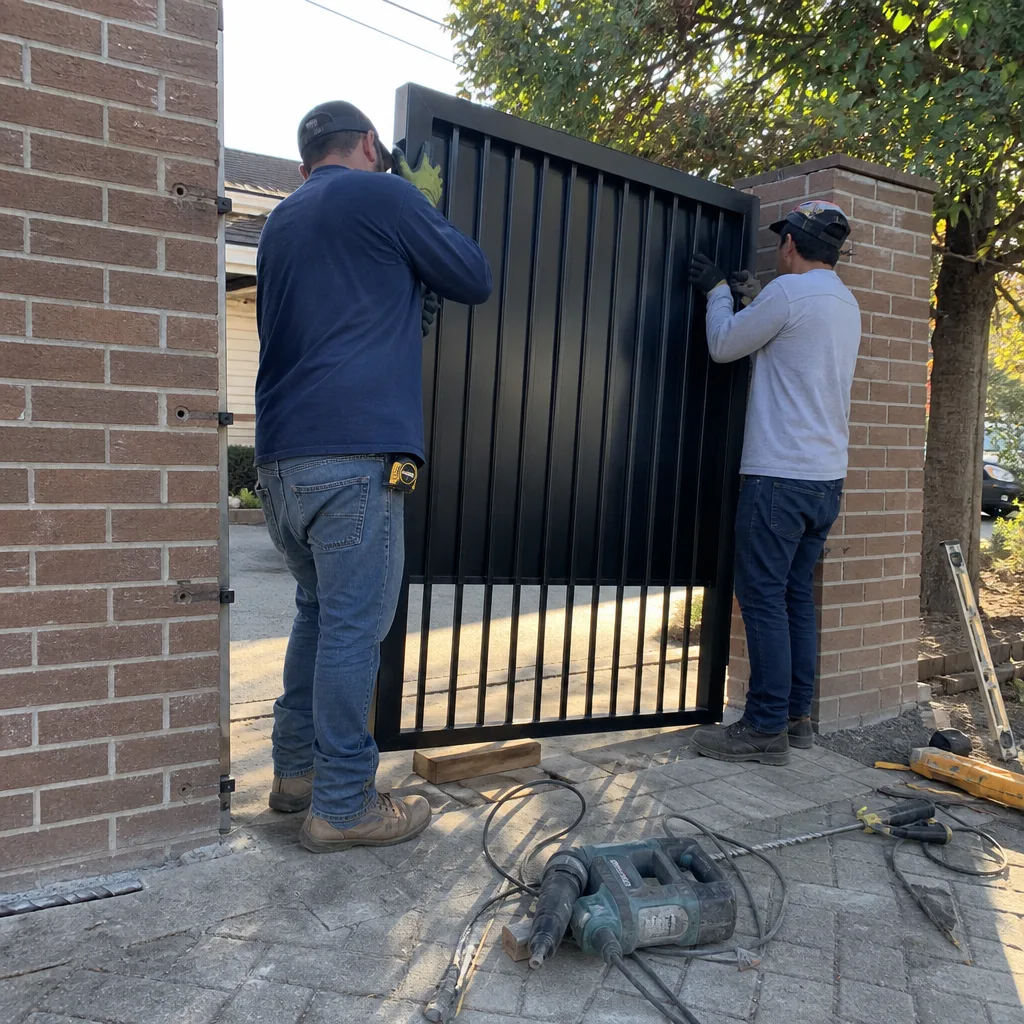
The absence of documentation predicts future duplicate charges. This isn’t opinion. We’ve analyzed our callback data: customers who received full photo and written records from any provider had 67% fewer repeat service calls for the same symptom within 12 months. The mechanism is simple. Documentation makes the next technician smarter.
After any gate repair visit in Oakland, you should physically hold:
- Photo log: Dated images of the gate system from multiple angles, close-ups of any components adjusted or replaced, and screenshots of any digital readings (amperage, loop resistance, limit position). These should be provided on paper or via email/text while the technician is still present, not “available on request” later.
- Written scope: The document described in the previous section, signed by both parties, with final price and any exclusions noted.
- Part identification: Manufacturer and model number of any component installed, with serial number if applicable. This matters for warranty claims and for ensuring future technicians can source compatible parts.
- Adjustment record: Specific settings documented: limit switch positions in degrees, photo-eye alignment measurements, loop sensitivity setting, operator force settings. These are the baseline for detecting future drift.
- Recommended future work: Items observed but not addressed, with priority ranking. “Post shows early movement, 0.8 degrees. Not yet requiring stabilization. Recheck in 12 months.” This prevents surprises and allows budgeting.
Under The Haven Standard, we provide all five elements on every visit at no additional charge. The photo log is uploaded to your job record and emailed before we leave the property. The written scope is printed from our field tablet and signed on the spot. There’s no “report will follow in 24-48 hours.” The technician who did the work documents the work while it’s fresh.
We’ve inherited service calls where the previous company “did something” six months ago and the customer has no record of what. The gate fails again. We start diagnostic from zero. If we’d had the prior technician’s amperage reading, limit position, and post measurement, we could have resumed monitoring instead of restarting discovery. The customer pays for that redundancy.
Documentation is especially critical in Oakland’s climate zones. A technician who notes “photo-eye aligned 3/8 inch above receiver, marine-layer zone, check seasonally” gives the next technician environmental context. One who writes “fixed sensor” provides nothing. The first record prevents a humid-morning callback. The second guarantees one.
What Gate Repair Costs in Oakland
Gate repair pricing in Oakland follows the component being addressed and the diagnostic depth applied. Surface repair costs less than root-cause restoration. The table below shows typical ranges for properly scoped work with written documentation.
| Service Category | Typical Range | What’s Included |
|---|---|---|
| Diagnostic and adjustment | $180 – $280 | Full system inspection, amperage testing, limit switch reset, safety device alignment, photo record, written scope |
| Hinge replacement (per hinge) | $220 – $380 | Pin and bushing replacement, play measurement, lubrication specification, gate geometry check |
| Post stabilization | $340 – $620 | Plumb correction, concrete collar or footing extension, drainage relief, rehang and align gate |
| Operator reset and reprogram | $240 – $360 | Limit switch positioning, force setting, safety integration testing, manufacturer protocol verification |
| Operator replacement (swing gate) | $1,100 – $1,800 | Removal, disposal, new unit (LiftMaster, FAAC, BFT, Linear, Viking, or other specified brand), installation, programming, safety testing, documentation |
| Operator replacement (slide gate) | $1,400 – $2,400 | As above, with rack alignment and chain/sprocket inspection |
| Safety device replacement (photo-eye pair) | $180 – $320 | Alignment, wiring inspection, integration testing, obstruction response verification |
| Access control repair (keypad, remote, intercom) | $160 – $450 | Diagnostic, component replacement, range testing, code programming |
| Full system restoration (5 components) | $1,800 – $3,400 | Post, hinge, frame, operator, safety systems addressed per restoration standards, full documentation package |
These ranges assume access is standard and no additional electrical work is required. Underground wiring faults, concrete demolition for post replacement, or gate installation requiring new foundations fall outside these estimates and require separate written scope.
The price is quoted and agreed before any work starts. Under Haven Standard Clause 1, the written total is the invoice total. If additional conditions are found during work, we stop, document, and provide a supplemental written scope before continuing. No surprise invoice at the end.
We also offer free second opinions on any written estimate from another company. Bring the paperwork. We’ll review the scope, identify what’s measured versus what’s assumed, and tell you whether the price aligns with the work described. No charge, no obligation.
Common Mistakes to Avoid
- Accepting a verbal estimate for operator replacement. Without written documentation of amperage draw, post plumb, and hinge condition, you have no proof the operator was the actual problem. We’ve seen $1,400 replacements where a $240 limit switch reset would have sufficed.
- Ignoring seasonal failure patterns. A gate that fails only in August or only in January has an environmental cause, not a wear cause. Fixing the component without addressing the thermal or moisture stress guarantees recurrence.
- Assuming all operators are interchangeable. Nine major brands service Oakland properties, each with proprietary control protocols. A technician who stocks only one brand will recommend replacement when repair is possible, or will install an incompatible unit that lacks your existing safety integration.
- Neglecting the safety loop test. The inductive loop embedded in your driveway is invisible and often ignored until it fails. A proper diagnostic includes loop resistance measurement and lead-in cable inspection. In Oakland’s marine-layer zones, corroded lead-in cables are a leading hidden cause of intermittent failure.
- Treating gate weight as static. Wood gates absorb moisture and gain weight. A redwood gate installed in Oakland’s dry season can weigh 15-20% more after winter rains. If your operator was sized for dry weight, it may be undersized for wet weight. We weigh or calculate gate weight as part of operator specification.
- Skipping documentation to save $50. Some companies offer a small discount for “cash, no receipt” work. This saves sales tax but eliminates warranty protection and future diagnostic continuity. The $50 saved costs $300 in redundant diagnostic later.
- Hiring a general handyman for operator work. Gate operators are controlled by UL 325 safety standards and California electrical code. Improper installation creates liability exposure and can void homeowner’s insurance. The technician should carry specific gate-operator training and general liability insurance for automated gate work, not just handyman coverage.
When to Call a Professional
Call a gate specialist when the problem involves safety systems, electrical components, or repeated failure of the same symptom. Specifically: if your gate reverses unpredictably, if the operator hums but doesn’t move, if there’s visible sparking or burning smell, if the gate has struck a vehicle or person, or if any repair has failed within 90 days. These scenarios require diagnostic equipment and safety protocol training that general maintenance providers lack.
Vance Gate Repair Oakland offers free estimates in Oakland. A live person answers at (628) 270-2709, 24 hours a day. We’ll schedule a diagnostic visit, provide a written scope with fixed price before any work starts, and leave you with a documented photo record of everything we found. If you have a written estimate from another company, bring it for a free second opinion.
Frequently Asked Questions
Most residential gate repairs in Oakland fall between $280 and $650 for common issues like operator resets, hinge realignment, or safety sensor replacement. Full operator replacement typically runs $1,100-$1,800 for swing gates and $1,400-$2,400 for slide gates, depending on brand and installation complexity. Call (628) 270-2709 for a free written estimate with exact pricing for your specific gate system.
Repeated failure usually means the root cause wasn’t addressed. In Oakland, post movement in clay soil is the most common hidden cause: the technician replaced the operator or adjusted the limit switch without checking whether the post had shifted and changed gate geometry. The symptom returns because the underlying geometry problem continues stressing the new component. A proper diagnostic checks post plumb, hinge wear, frame square, and amperage draw before specifying any repair.
We service nine major automation brands: LiftMaster, FAAC, BFT, Linear, Viking, Ghost Controls, DoorKing, Elite, and Mighty Mule. This means we can repair whatever motor is already on your property rather than steering you toward replacement with a different brand. If your operator is obsolete or parts are unavailable, we’ll document that finding and provide a written scope for replacement with a compatible unit.
A live person answers our phone 24 hours a day, seven days a week. For repair calls where the gate is inoperable and creates security or access issues, we typically dispatch same day or next day depending on current schedule and your location within Oakland. Installation and scheduled maintenance are booked by appointment. Emergency response does not include after-hours surcharges for calls answered within our standard dispatch windows.
Every visit under The Haven Standard includes a dated photo log of your gate system, close-ups of components adjusted or replaced, digital readings from our diagnostic equipment, a written scope describing condition found and work performed, and specific settings documented for future reference. This package is provided to you before the technician leaves and is filed in your permanent job record. There is no additional charge for documentation.
We service residential and light commercial properties throughout Oakland. Commercial access control, multi-tenant entry systems, and industrial slide gates fall within our scope. Heavy industrial applications requiring specialized certifications may be referred to a dedicated commercial contractor. We’ll tell you directly if your project exceeds our capacity rather than accepting work we can’t execute to standard.
Bring us the written estimate. We offer free second opinions on any competitor’s written scope. We’ll review what was measured, what was assumed, and whether the price aligns with the work described. We’ve identified unnecessary operator replacements, missed post stabilization needs, and incomplete safety testing in estimates brought to us. The review costs nothing and carries no obligation to hire us.
The Bottom Line
Gate repair in Oakland fails most often not from bad parts or bad technicians, but from incomplete diagnosis. The clay soil moves posts. The marine layer corrodes connections. Heat expansion changes geometry. These forces create symptom chains that look like operator failure, sensor failure, or hinge failure. Fixing the last link without tracing to the first link produces the 90-day callback.
The alternative is systematic diagnostic: measure post plumb, hinge wear, frame square, operator load, and safety alignment. Document every reading. Write the scope before touching a tool. Fix the root cause, not the symptom. Leave a record that makes the next technician smarter, not redundant.
We’ve applied this method to 22,000+ gates since 2014. The gate motor and opener work, the access control integration, the welding and fabrication - all of it rests on the same foundation: name what you found, name what it costs, name what you left behind. That’s The Haven Standard. It’s the reason our repair callbacks run below industry average, and it’s the standard we apply to every gate we touch in Oakland.
Written by Adrian Vance, Owner at Vance Gate Repair Oakland, serving Oakland since 2014.